British Shorthair FAQ
Clear answers about the breed, everyday care, health, and welcoming an Elyssian kitten. General guidance only - your vet is the right place for medical advice.
About the breed
A calm, classic companion
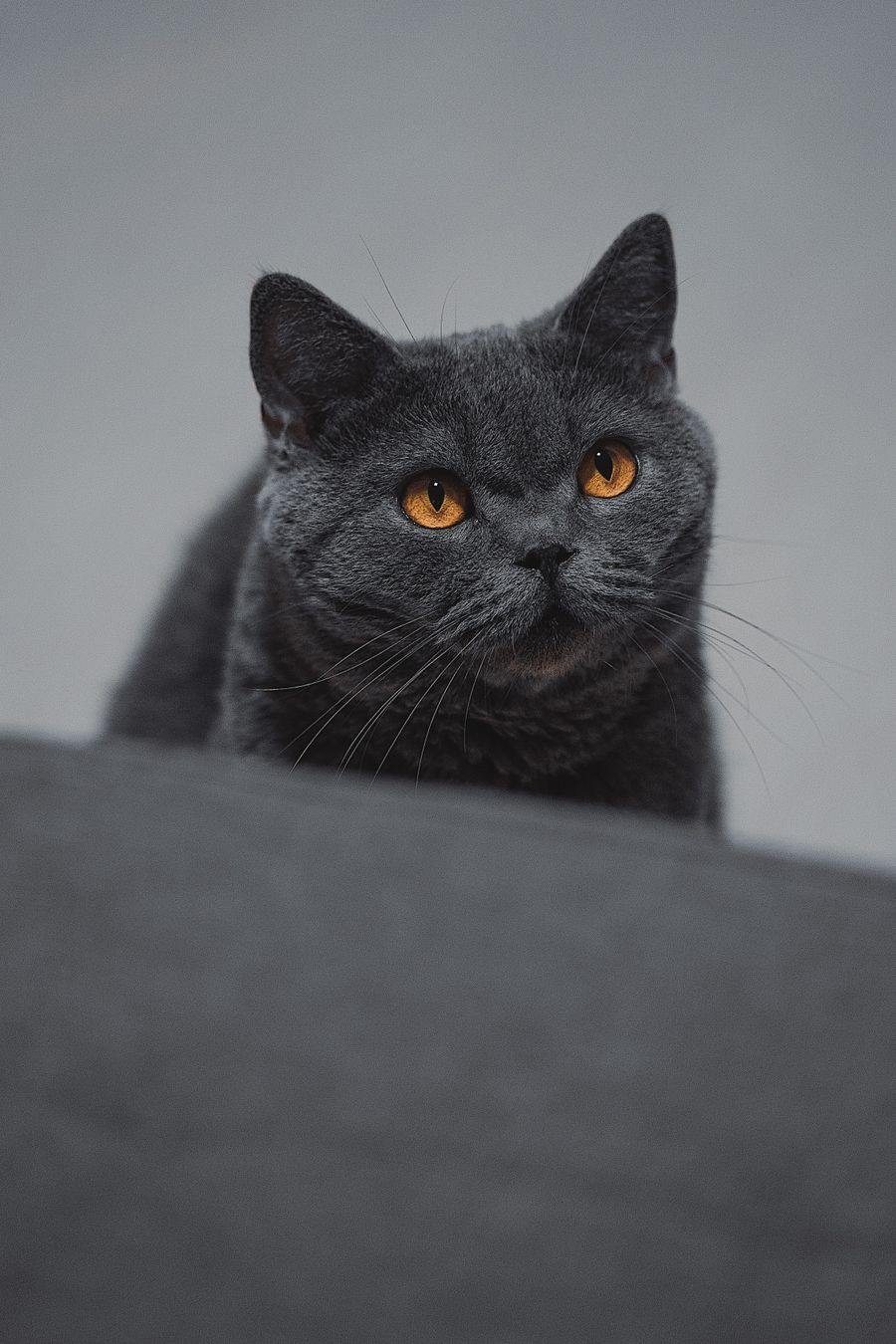
British Shorthairs are known for a dense plush coat, round face, and steady temperament. Many families love them for affectionate company without constant clinginess - ideal for quieter homes and thoughtful first-time owners.
Want deeper reading? Explore our British Shorthair articles or Health & Care guide.
Breed basics
About British Shorthairs
Most British Shorthairs are calm, observant, and gently affectionate. They enjoy being near people - often on a nearby chair rather than on your lap for hours. They like short play sessions, then long naps.
They are usually quieter than very vocal breeds and settle well into indoor routines when enrichment and litter care are good.
Expect a substantial, balanced body, round face, full cheeks, large round eyes, and a short dense coat that feels plush. Blue (blue-grey) is the classic colour, but lilac, cream, black, and other colours also appear.
Kitten coats and eye colour can change as they mature. Read more in our blue colour guide.
With good care, many enjoy long companion lives. Exact lifespan varies by individual health, diet, weight management, and veterinary care. Plan for a long-term commitment - not a short-term pet.
No. No cat breed is reliably hypoallergenic. If allergies are a concern, speak with your doctor and spend time around British Shorthairs before committing.
Both can look plush and round-faced, but ear type, breed standards, and health priorities differ. British Shorthairs have normal upright ears and a famously dense coat. Read our full comparison: British Shorthair vs Scottish Fold.
Lifestyle
Family, pets & home life
Often yes - when children use soft voices and gentle hands. Teach seated greetings, never force cuddles, and give the kitten a quiet room to rest. Supervise all early interactions.
Many do, if introductions are slow. Swap scents first, use short supervised meetings, and keep separate litter trays and food bowls at the beginning. Rushing face-to-face meetings is the most common mistake.
Yes for many households. They often thrive indoors with window perches, scratching posts, daily play, and clean litter facilities. Outdoor free-roaming is not required for a happy British Shorthair.
See our indoor enrichment guide for practical ideas.
They usually handle moderate alone time better than ultra-social breeds, but long isolation every day is still unfair. Leave safe toys, a window view, and keep a predictable evening play-and-rest routine.
Everyday care
Feeding, grooming & settling in
Brush several times a week - daily when shedding heavily. Keep sessions short and positive. Check behind ears and under legs. Most British Shorthairs rarely need baths.
Full routine: grooming & coat care.
Start with the food provided at handover for several days. Use a complete kitten diet, measure portions, and keep fresh water available. Change foods slowly over 7-10 days to avoid tummy upset.
This breed can gain weight easily later - build healthy habits early. Read our feeding guide.
A quiet settling room, litter tray, food and water bowls, carrier, bedding, scratching post, and wand toys. Secure windows and remove toxic plants. Register with a local vet for a settling check.
Checklist: prepare your home and first week at home.
Yes. Many kittens hide, sleep a lot, and explore in short bursts. Eating, drinking, and using the litter tray are the key signs settling is going well. Contact your vet if appetite or litter use stops.
Welfare
Health & veterinary care
Ask what veterinary care the litter has received, which vaccines or parasite prevention are included, what screening breeding cats have, and what written aftercare policy applies. Request real documents - not vague claims.
Guide: health questions for buyers.
No responsible breeder can promise that. We focus on careful breeding, veterinary partnership, and honest records. Register with your own vet after collection and seek medical advice promptly when needed.
Call promptly for refusal to eat or drink, repeated vomiting or diarrhoea, no litter use, laboured breathing, extreme lethargy, or obvious pain. For settling questions (food, litter, shy behaviour), you may also contact us - medical concerns always go to your vet first.
More detail on our Health & Care page.
Elyssian process
Adoption, waitlist & fees
Kittens typically go home at 12-14 weeks, once they are ready and paperwork is complete. Timing follows welfare and veterinary guidance. An enquiry does not reserve a kitten.
Browse available kittens, open a profile, and submit the application on that page if the kitten is available. Reserved profiles show details only - no application form.
Full steps: adoption process.
The waitlist is for families looking ahead to a future litter when no current kitten is the right match. Join via the waitlist page. Joining does not guarantee a specific kitten.
The kitten price is $1,100. A $750 reservation fee holds an available kitten and credits toward that price (later balance $350). A $500 waitlist fee credits toward the price for future litters.
See pricing for inclusions and refunds.
Visit arrangements depend on litter timing and location. Contact us to ask what is possible for the kitten or litter you are interested in. Thoughtful enquiries are always welcome.
Travel
Shipping & collection
In-person collection is preferred whenever possible. You receive handover notes and settle your kitten into a familiar carrier for the journey home.
Where offered, delivery is arranged carefully with welfare first. Timing and fees are confirmed in writing before travel. See the shipping page for options and preparation tips.
Still have a question?
We're happy to talk about the breed, a specific kitten, or whether Elyssian is the right fit for your home.
Breed facts
British Shorthair facts
A quick facts walk-through of the breed - useful before you dive into our written FAQ answers.